When it comes to electrical services, understanding the differences between commercial vs residential electrical services is crucial for ensuring the right professional is hired for the job. Whether you’re a homeowner looking for residential electrical services or a business owner needing commercial electrical services, it’s important to know what each entails, the costs, and the specific needs of your property.
In Middlesex County, MA, where older homes and growing businesses both pose unique electrical challenges, hiring the right expert can make all the difference in ensuring safety, efficiency, and compliance with local regulations. This guide will explore the key differences between residential and commercial electrical services, helping you make an informed decision for your next electrical project.
Key Takeaways – Commercial vs Residential Electrical Services
- Residential work is simpler, covering wiring and outlet installation. Commercial services are more complex, handling larger systems like three-phase power and energy management.
- Residential systems use single-phase power, while commercial systems require three-phase power to support bigger equipment.
- Residential services cost between $150 and $500. Commercial services are more expensive, often ranging from $1,000 to $10,000.
- Residential electricians follow basic safety codes. Commercial electricians must comply with stricter regulations due to the larger scale of work.
- Residential maintenance is less frequent. Commercial maintenance is more regular and complex, keeping high-demand systems running smoothly.
What is Commercial Electrical Service?
Commercial electrical services are typically required for businesses, large buildings, and industrial settings. These services involve more complex and high-powered electrical systems compared to residential work. Commercial electricians handle the design, installation, and maintenance of systems in office buildings, retail stores, warehouses, and other commercial establishments. Some common commercial electrical services include.
- Electrical system installations: Including power distribution, lighting control, and HVAC wiring.
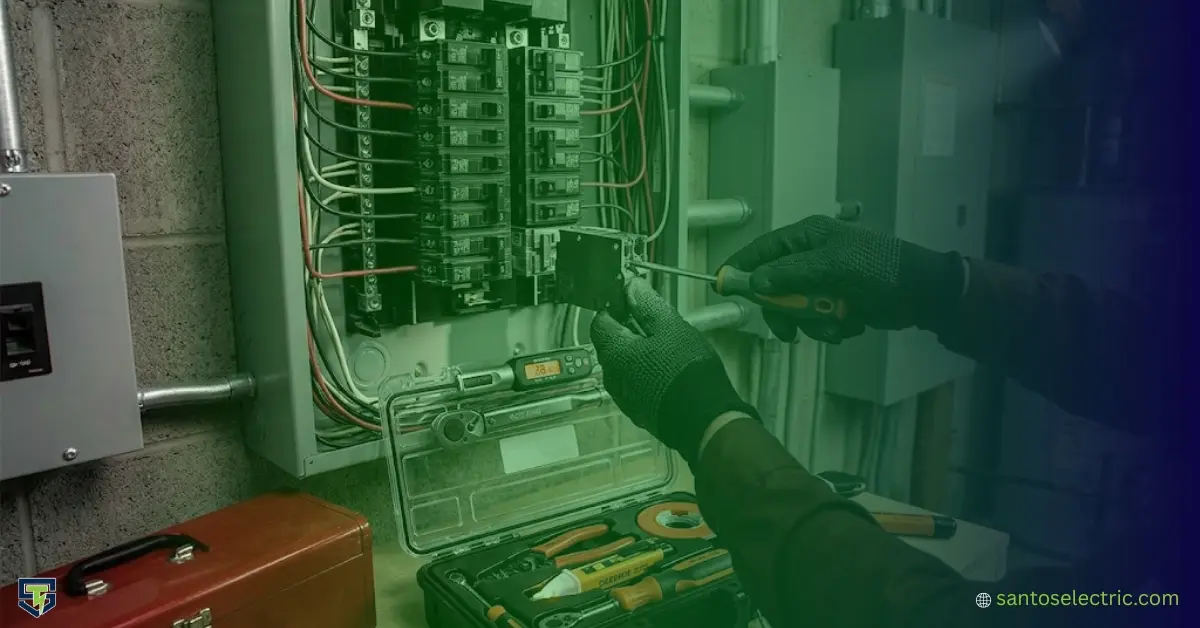
- Panel upgrades: Upgrading electrical panels to handle the demands of commercial operations.
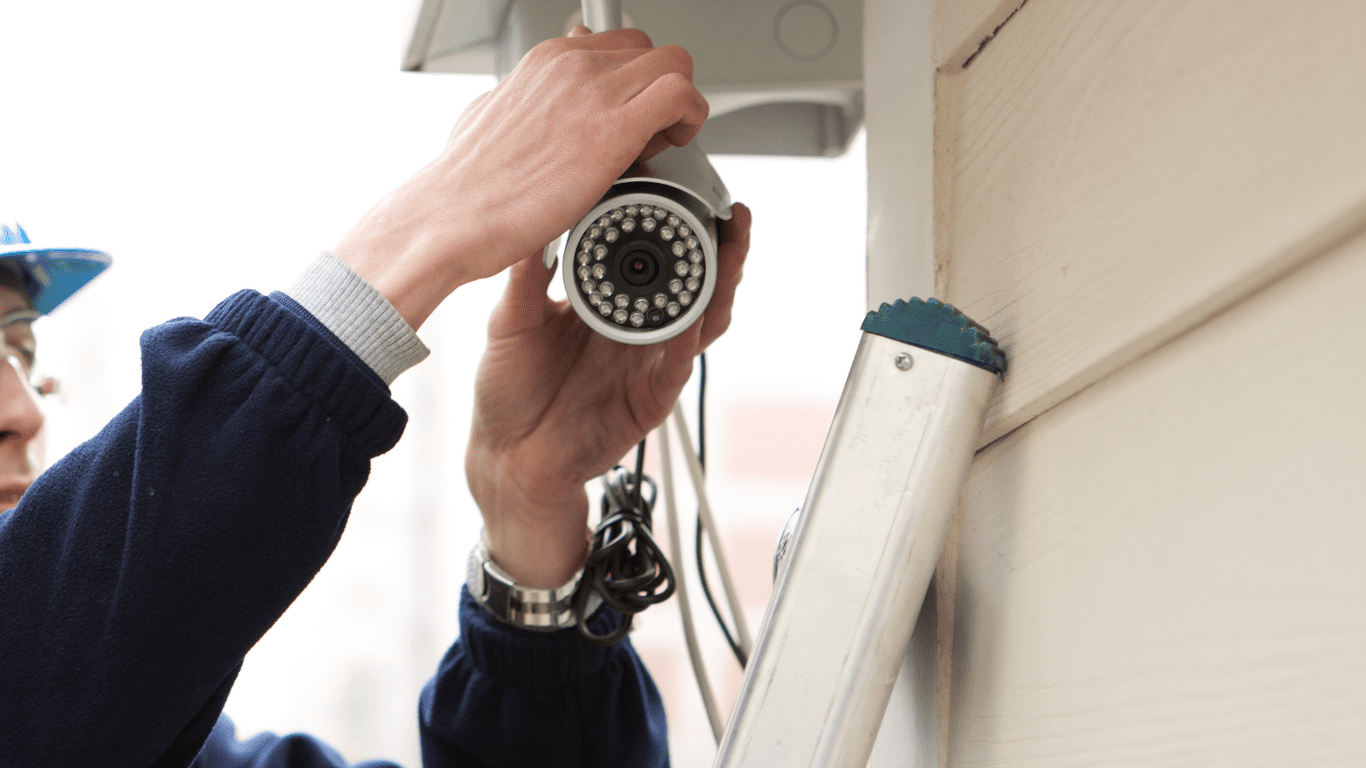
- Security system wiring: Installing wiring for security cameras, alarm systems, and access control.
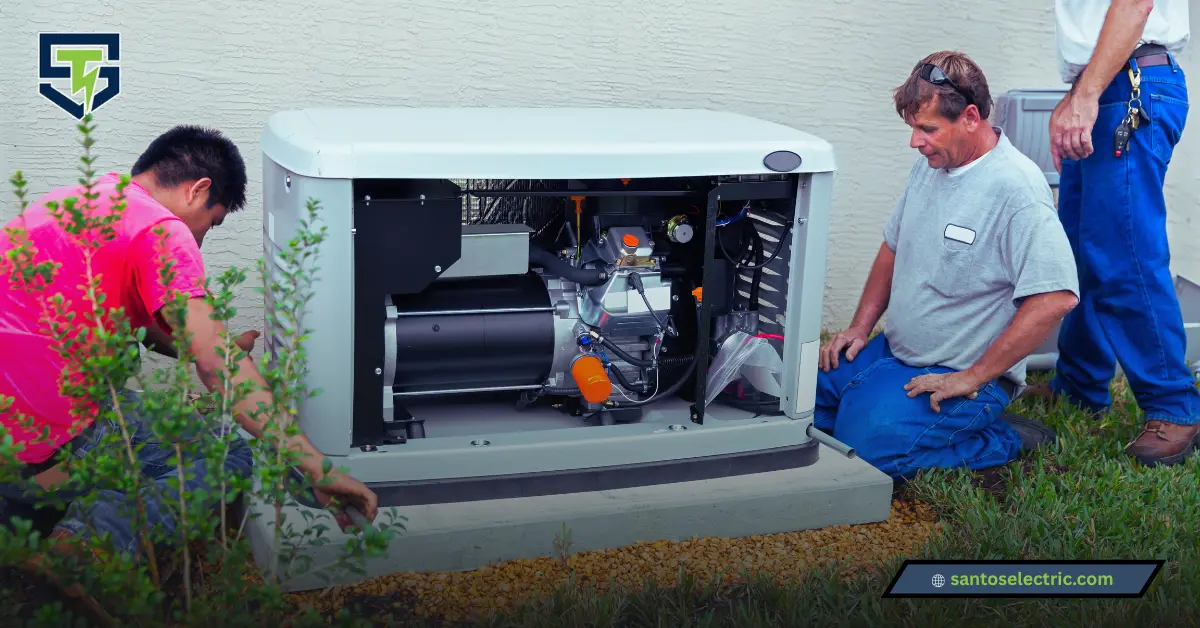
- Surge protection: Ensuring that the building is protected from power surges or outages.
- Energy management: Setting up systems for energy-efficient power distribution and monitoring.
In commercial environments, electrical systems need to support the larger scale and complexity of operations, so commercial electricians are equipped with specialized knowledge and skills to meet these demands.
What is Residential Electrical Service?
Residential electrical services refer to the electrical work performed within homes, apartments, and small residential buildings. These services focus on ensuring that the electrical systems in your home are safe, efficient, and up to code.
Some common residential electrical services include:
- Wiring and rewiring for homes, including new installations or upgrades.
- Outlet and switch installations: Adding or replacing electrical outlets and switches.
- Lighting installation: Installing interior and exterior lights to brighten your home.
- Panel upgrades: Replacing outdated electrical panels with modern ones to handle increased electrical loads.
- Emergency repairs: Quick fixes for issues like power outages, faulty wiring, or tripped circuits.
A residential electrician ensures that all work complies with the National Electrical Code (NEC), ensuring safety and reliability in the home.
Key Differences in Electrical Systems: Commercial vs Residential Electrical Services
When it comes to electrical systems, there are significant differences between residential and commercial properties. While both serve the purpose of providing power, residential electrical systems are generally simpler and designed to meet the needs of a home.
Commercial electrical systems, on the other hand, are much more complex and built to handle higher power demands for large equipment and machinery. Understanding the key differences in electrical systems, from power requirements and voltage to system complexity, code compliance, and maintenance, is crucial for choosing the right electrician for your needs, whether you’re upgrading your home or managing a commercial building in Middlesex County, MA.
| Aspect | Residential Electrical Systems | Commercial Electrical Systems |
| Power Requirements | Single-phase power, suitable for home use. | Three-phase power for large equipment and machinery. |
| Voltage | Typically 120/240 volts. | Higher voltage, often 480 volts, for larger systems. |
| Complexity | Basic tasks like wiring, outlet installation, and panel upgrades. | Complex systems, including lighting control, surge protection, and networking. |
| Code Compliance | Follows National Electrical Code (NEC) and home safety standards. | Adheres to stricter regulations and safety codes due to the scale and complexity of work. |
| Maintenance | Routine maintenance for basic repairs and upgrades. | Regular maintenance is needed for high-demand systems, particularly in commercial and industrial spaces. |
FAQs
What’s the main difference between a residential and commercial electrician?
Residential electricians specialize in home electrical work, while commercial electricians are trained to handle the larger and more complex systems found in businesses and commercial properties.
How much does it cost for residential electrical services?
The cost for residential electrical services depends on the project, but simple tasks like outlet installation or panel upgrades typically range from $150 to $500. Emergency repairs may cost more.
What are some common issues a commercial electrician addresses?
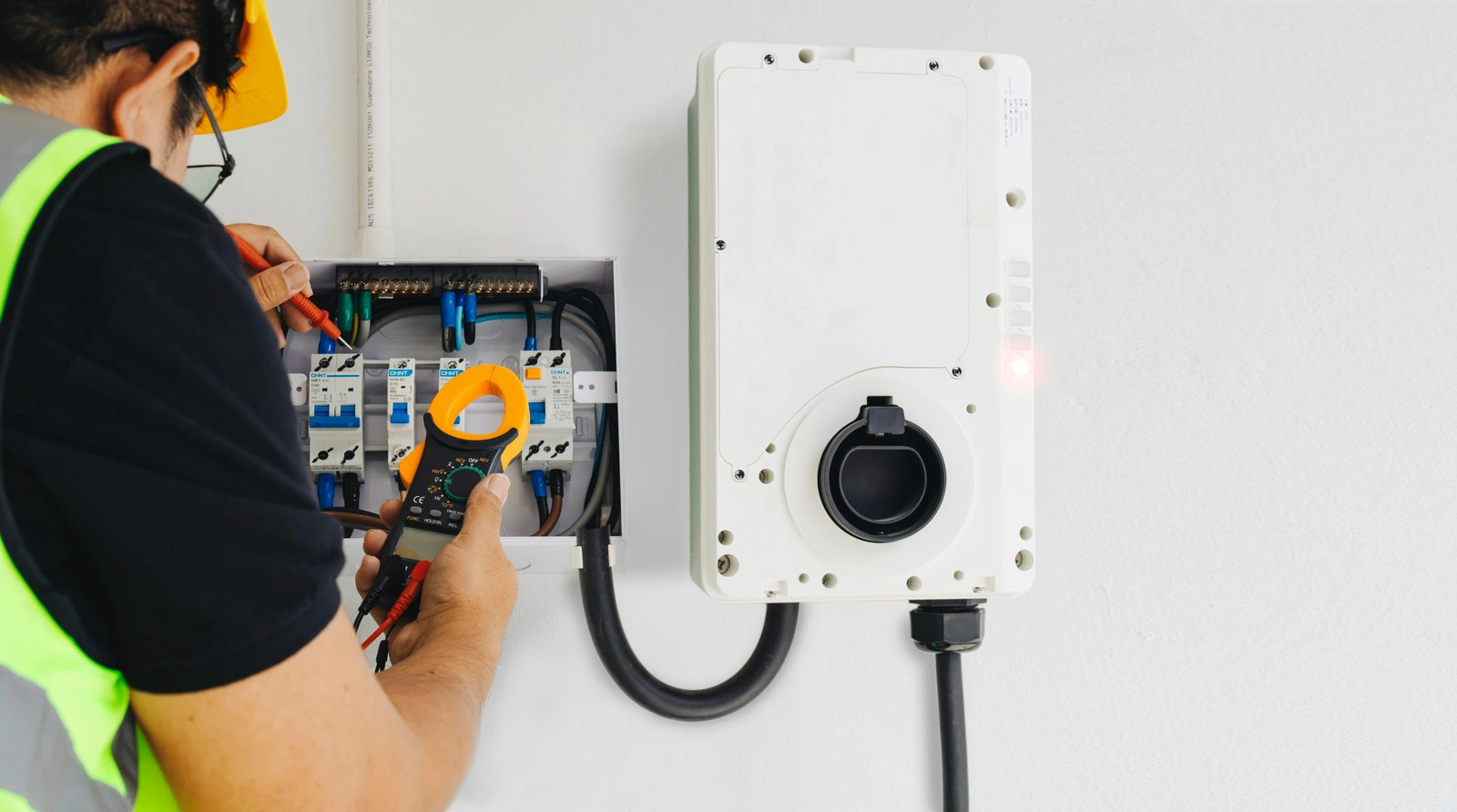
Commercial electricians deal with more complex issues, such as three-phase wiring, surge protection, and setting up energy management systems to support large-scale business operations.
Do commercial buildings require more power than residential homes?
Yes, commercial buildings require more power due to larger equipment, more electrical outlets, and heavier machinery. Three-phase power is often necessary to support these needs.
Can a residential electrician handle a commercial job?
While residential electricians are skilled at home-based tasks, commercial electricians have specialized training to work with larger, more complex electrical systems in commercial properties. For large commercial projects, it’s best to hire a commercial electrician.
Conclusion
Understanding the key differences between commercial vs residential electrical services in Middlesex County, MA, is crucial for making the right choice for your electrical needs. Whether you’re a homeowner needing residential electrical services or a business owner requiring commercial electrical services, each requires a distinct set of skills and knowledge to handle the complexity and power demands of your property.