Winter electrical safety starts at your service panel, not your thermostat. Cold weather pushes every circuit in your home harder, and older wiring feels the strain first.
Heating equipment causes tens of thousands of U.S. home fires every year, according to the National Fire Protection Association (NFPA). From 2019 to 2023, fire departments responded to an estimated 38,881 home heating fires per year. Space heaters and heating stoves were involved in 29 percent of those fires and 77 percent of the deaths. Nearly half of all heating fires (46 percent) happen from December through February.
At Timothy Santos Electric, we see the same pattern every November. Homeowners plug in space heaters, switch on heat pumps, and run the dryer at night. Then a breaker trips, an outlet turns warm, or the lights dim.
We serve homeowners across Middlesex County, so we know how older New England wiring handles cold weather. This guide shows you how to prepare your electrical system for winter heating demands. You will learn what to inspect, which warning signs matter, and when to call a professional.
Many winter electrical problems are preventable with early checks. Follow these steps before the first hard freeze arrives.
Why Do Winter Heating Demands Strain Your Home’s Electrical System?
Winter heating raises electrical load because heaters, heat pumps, and electric furnaces run for hours at a time. Long run times heat wires and breakers more than short bursts do.
A 10 kW electric furnace draws about 42 amps at 240 volts. A 1,500-watt space heater draws 12.5 amps at 120 volts. Add a dryer, an oven, and an EV charger, and a 100-amp service fills up fast.
Electricians use a load calculation to measure this demand. Learn the basics in our guide on how to calculate electrical load for appliances. If you plan to add heat, review our overview of home heating system types first.
How Does Winter Electrical Safety Begin With a Pre-Season Inspection?
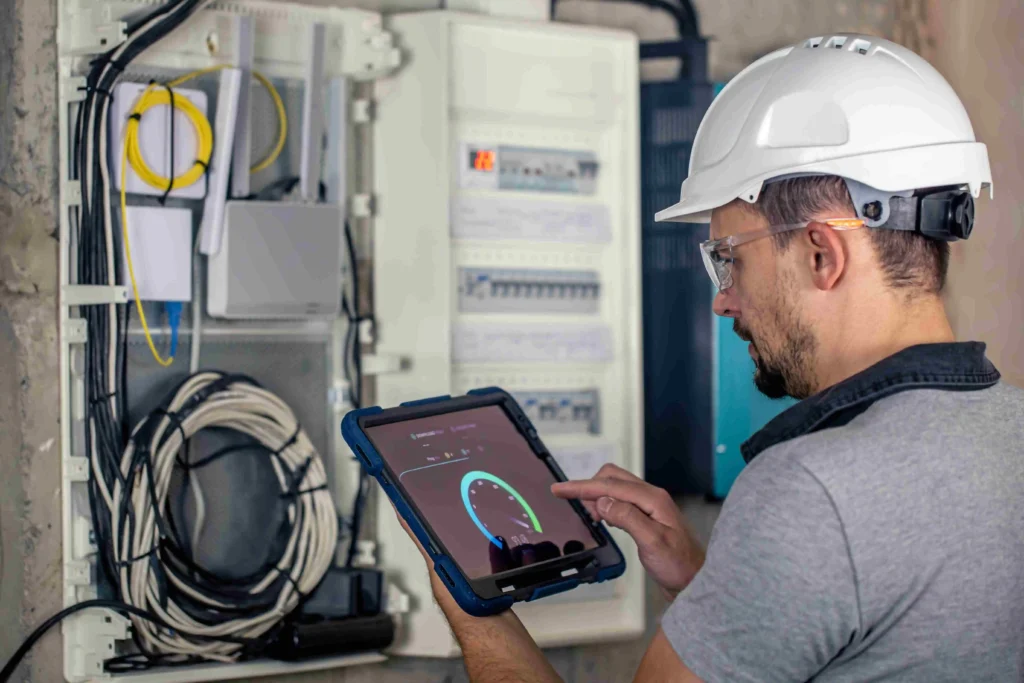
A pre-season inspection checks your panel, outlets, cords, and heating circuits before they carry peak winter loads. Start with a simple walkthrough:
- Look at the panel for rust, scorch marks, or moisture.
- Feel outlet covers and plugs for warmth after a heater runs.
- Replace cracked, frayed, or discolored cords.
- Test GFCI and AFCI outlets and breakers using the manufacturer’s instructions.
- Label every breaker so you can shut off a circuit fast.
Our fall electrical inspection checklist for Massachusetts covers each item in more detail. If your panel directory is blank or faded, follow our steps on how to label an electrical panel.
How Do You Use Space Heaters Without Overloading a Circuit?
Plug one space heater directly into a wall outlet, and never use an extension cord or power strip. A 1,500-watt heater draws 12.5 amps, so nothing else should share its circuit.
Keep the heater at least three feet from beds, curtains, and furniture. Turn it off when you leave the room or go to sleep. Choose a unit with tip-over and overheat shutoffs and a mark from an independent testing laboratory.
If a breaker trips repeatedly, do not install a larger breaker. The wire behind it is sized for the original rating, and a bigger breaker removes the protection. Call a licensed electrician instead.
When Do Electric Panel Upgrades Make Sense Before Winter?
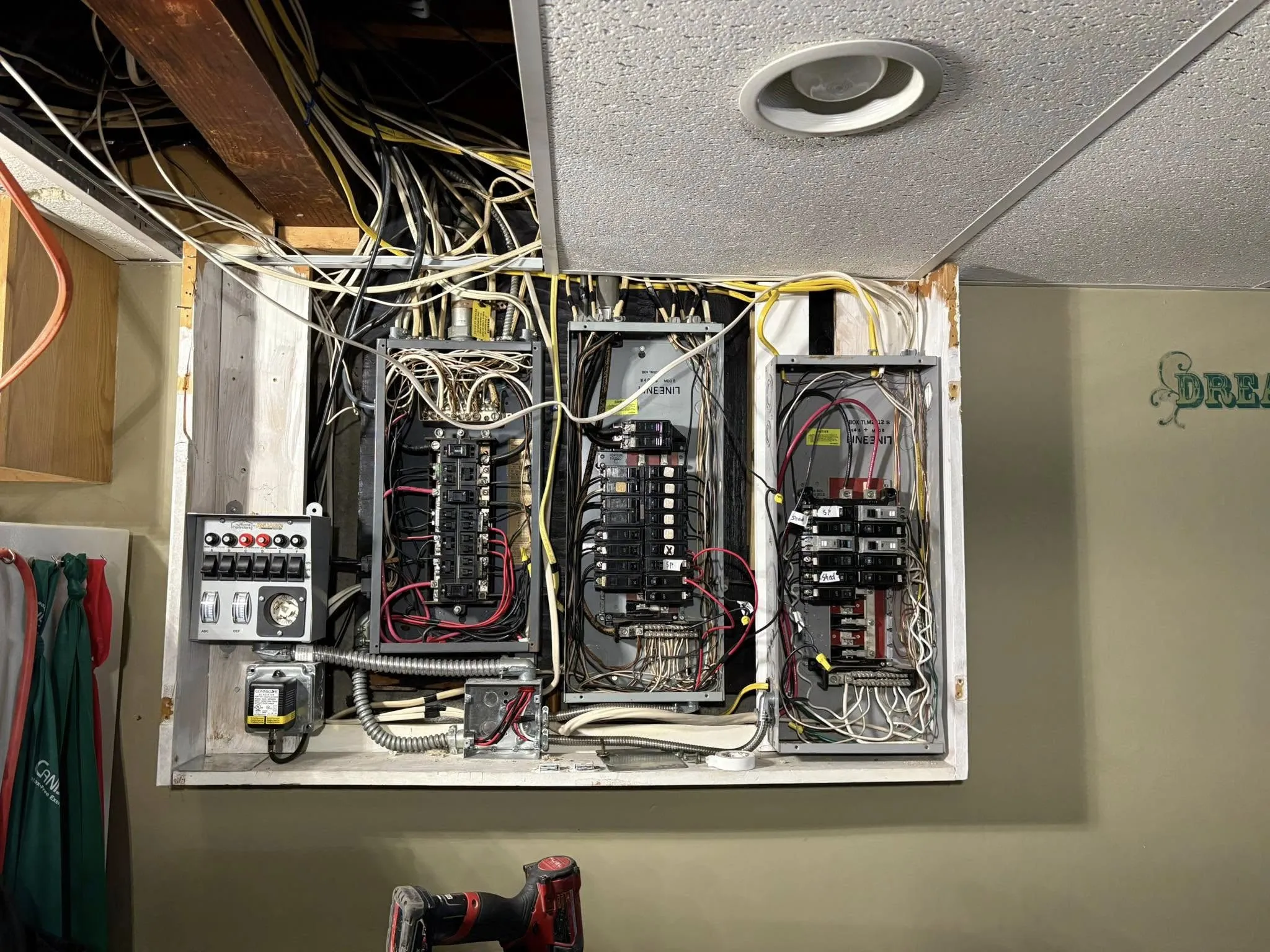
Electric panel upgrades make sense when your panel is outdated, overloaded, or too small for new heating equipment. Many older homes still run 100-amp service or less, which struggles with modern winter loads.
Watch for these warning signs:
- Breakers trip when heat comes on.
- The panel buzzes, feels hot, or smells like burning.
- Lights flicker when the furnace or heat pump starts.
- Your panel is a Federal Pacific or Zinsco model, both known for breaker failures.
- You are adding a heat pump, electric furnace, or EV charger.
A panel upgrade requires an electrical permit and inspection in Massachusetts. Your electrician also coordinates a short power shutoff with the utility. Most residential upgrades finish in one working day, though permit timing varies by town.
Read signs you need a 100-amp to 200-amp upgrade or see our panel upgrades and repairs service.
How Do You Prepare for Winter Storms and Power Outages?
Prepare for outages with whole-home surge protection, a safe backup power plan, and working alarms. Nor’easters and ice storms cause outages, and surges often follow when power returns.
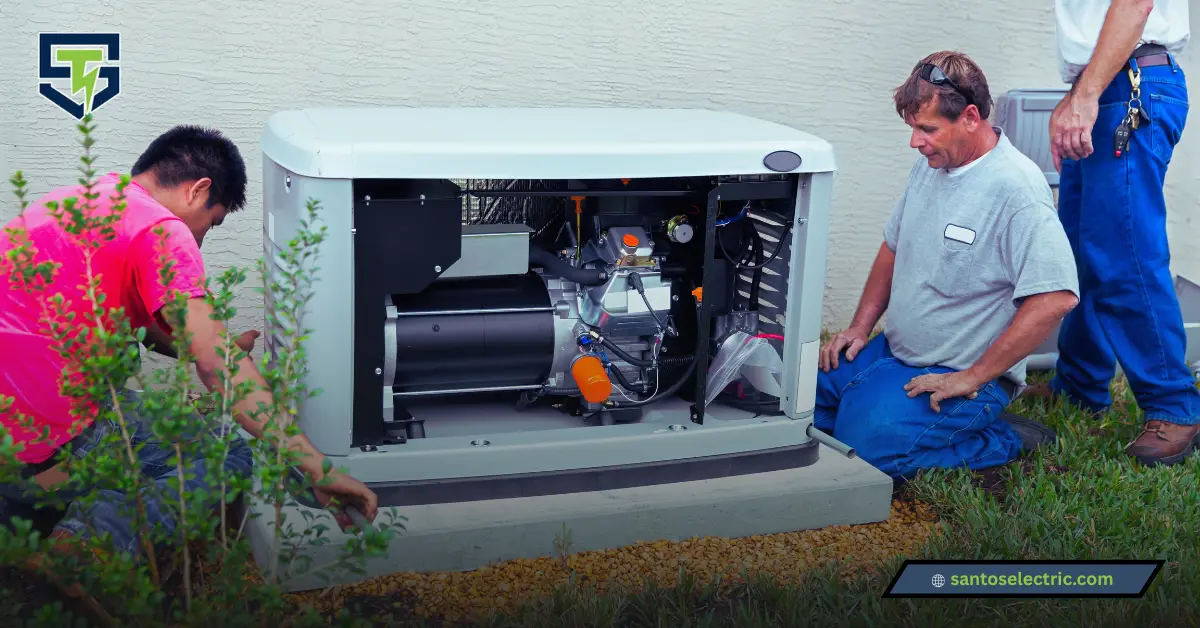
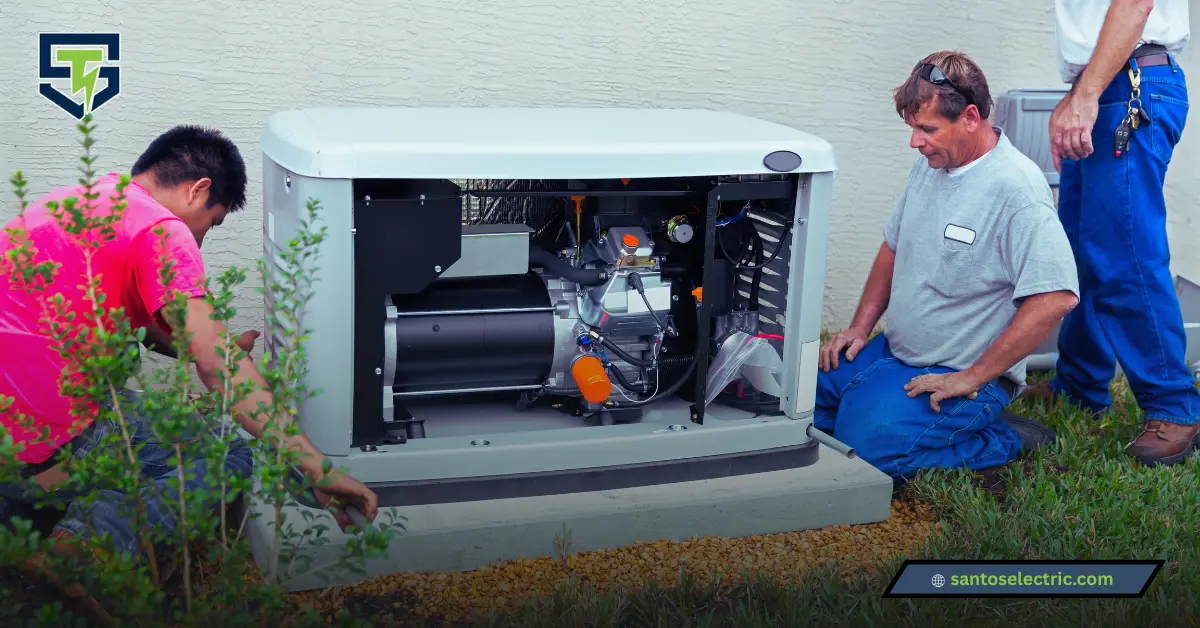
A whole-home surge protector installs at the panel and shields heating controls, thermostats, and electronics. For backup power, have a licensed electrician install a transfer switch or interlock. Never backfeed a generator through a dryer outlet, because it can electrocute utility workers.
Run portable generators outdoors, far from windows and doors, and keep carbon monoxide alarms working. Our guide on choosing a backup generator in New England explains sizing and installation.
Frequently Asked Questions
How do I find electricians near me for a winter inspection?
Searching for electricians near me is a good start. Then confirm a current Massachusetts license, insurance, and written estimates. Our list of questions to ask an electrician before hiring makes vetting easier.
Can a space heater trip my breaker?
Yes. The breaker trips to stop the circuit from overheating. Move the heater to a circuit with no other loads. If it still trips, have an electrician check the wiring.
How long does a panel upgrade take?
Most upgrades take about one working day, with power off for several hours. Permit and inspection scheduling can add time, so book before the cold season peaks.
How often should I test smoke and carbon monoxide alarms?
Test smoke alarms monthly, and check carbon monoxide alarms at the same time. Replace batteries and aging units according to the manufacturer’s schedule.
Final Thoughts
Winter electrical safety comes down to three steps: inspect early, spread your heating loads, and upgrade what cannot keep up. Do the work before the first cold snap, not during it. Timothy Santos Electric helps Middlesex County homeowners test, repair, and upgrade their electrical systems. Contact our team when you are ready to schedule a winter inspection.